
Store self 24h: vending machines against food waste
Self 24h stores and vending machines are revolutionizing the retail landscape, offering consumers a shopping experience without time limits-a new paradigm that is experiencing success and spread across a variety of markets and sectors, not least the food industry. In this article we explain how 24h self stores can help eliminate the problem of food waste.
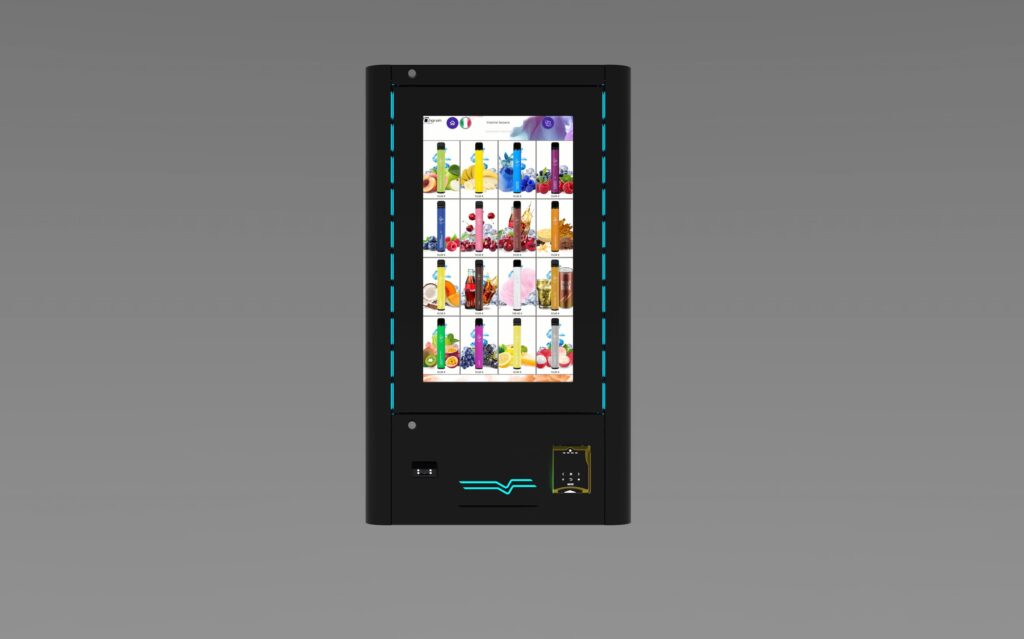
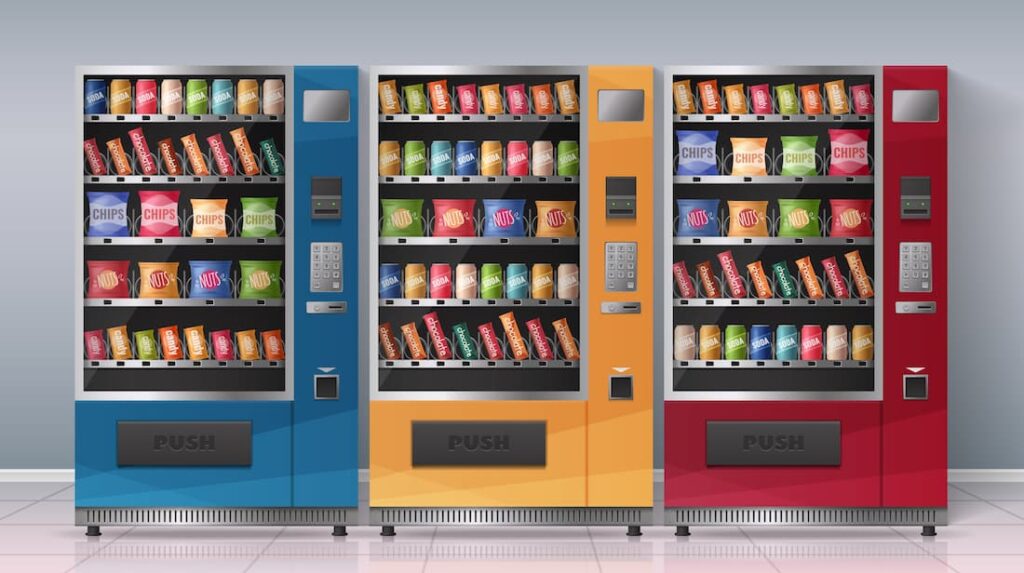
Self 24h vending machines combine the convenience of vending machines with the variety and accessibility typical of traditional stores, allowing users to purchase products and other necessities at any time of the day. One of the main features of self 24h is its ability to operate without the physical presence of staff: users can access products through intuitive interfaces, select what they need, and complete the transaction in minutes. We are accustomed to seeing vending machines in strategic locations such as stations, airports, hospitals and housing estates, increasing convenience for consumers. What if we found them just outside our bakery or pastry shop?
Advantages of Food Vending Machines
Food vending machines emerge as an effective answer to many of the needs of modern consumers and vendors. First, in terms of convenience. Customers can
Technology against food waste
If this new model can be successfully applied to food sales, the implementation of new technologies paves the way for another step forward in reducing food waste. As we have seen, a key aspect is the use of sensors and inventory management software. These tools continuously monitor inventory levels and expiration dates of products, enabling managers to replenish distributors in a timely and accurate manner-not only are products always fresh and available, but the risk of waste is also reduced. Another significant innovation is the implementation of dynamic discounting algorithms, so that discounts are automatically applied to products close to expiration: reducing food waste and providing opportunities for customers to save money. The adoption of these advanced technologies not only improves the sustainability of vending machines, but also represents a more efficient use of resources. All this comes with two requirements: open-mindedness on the part of entrepreneurs and the ability to choose appropriate equipment and technology.